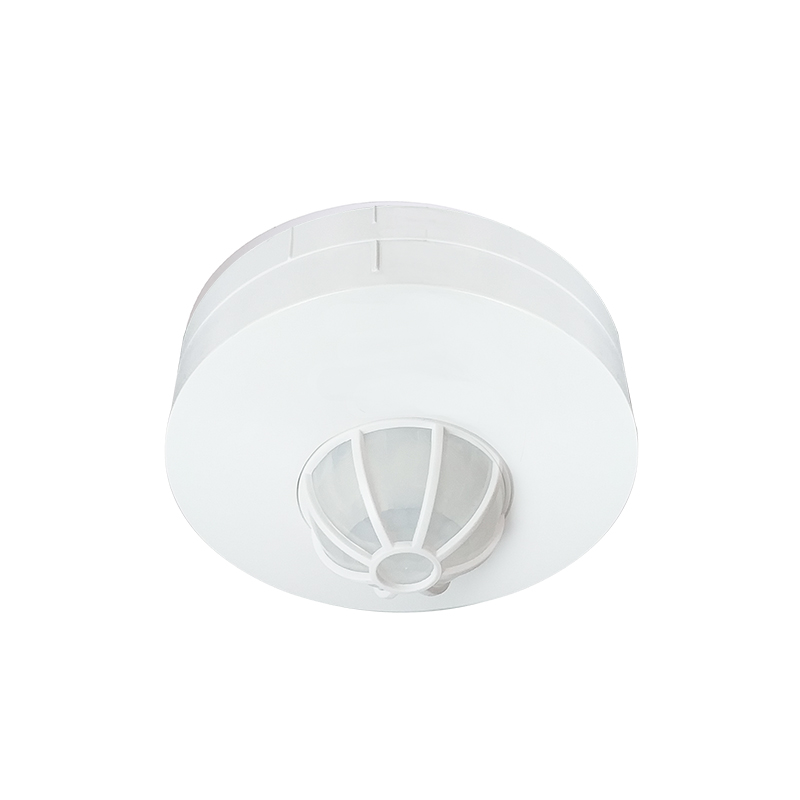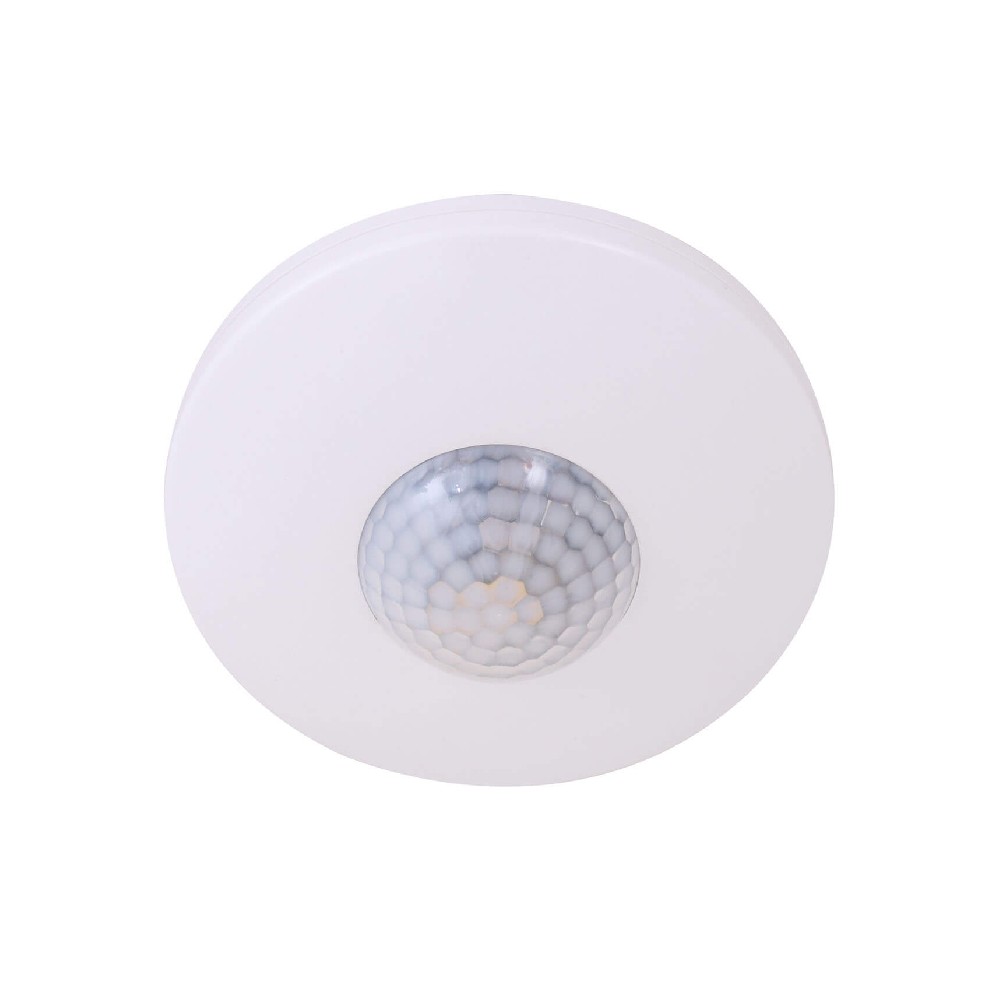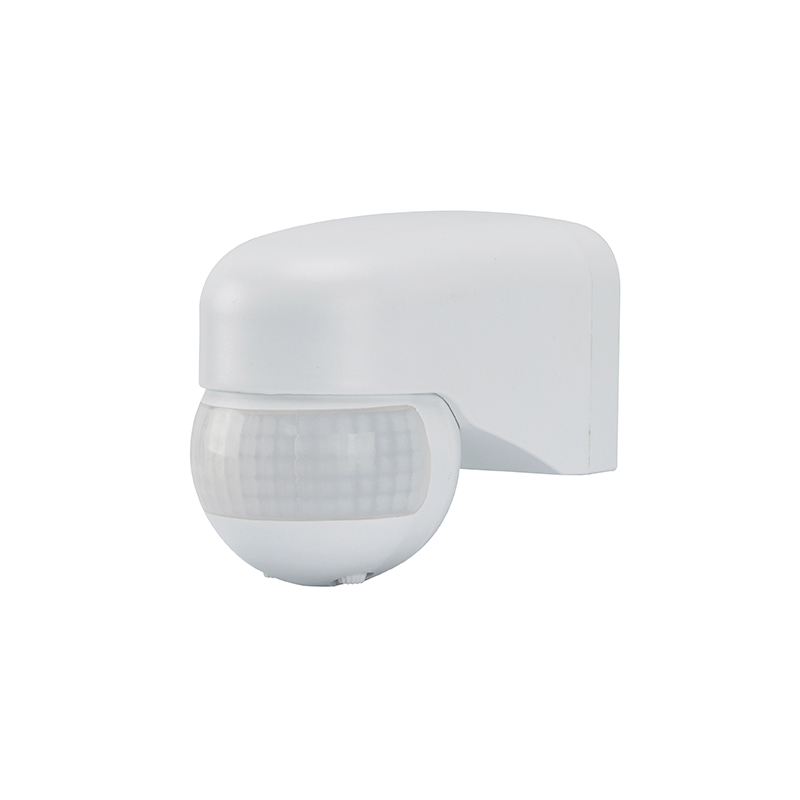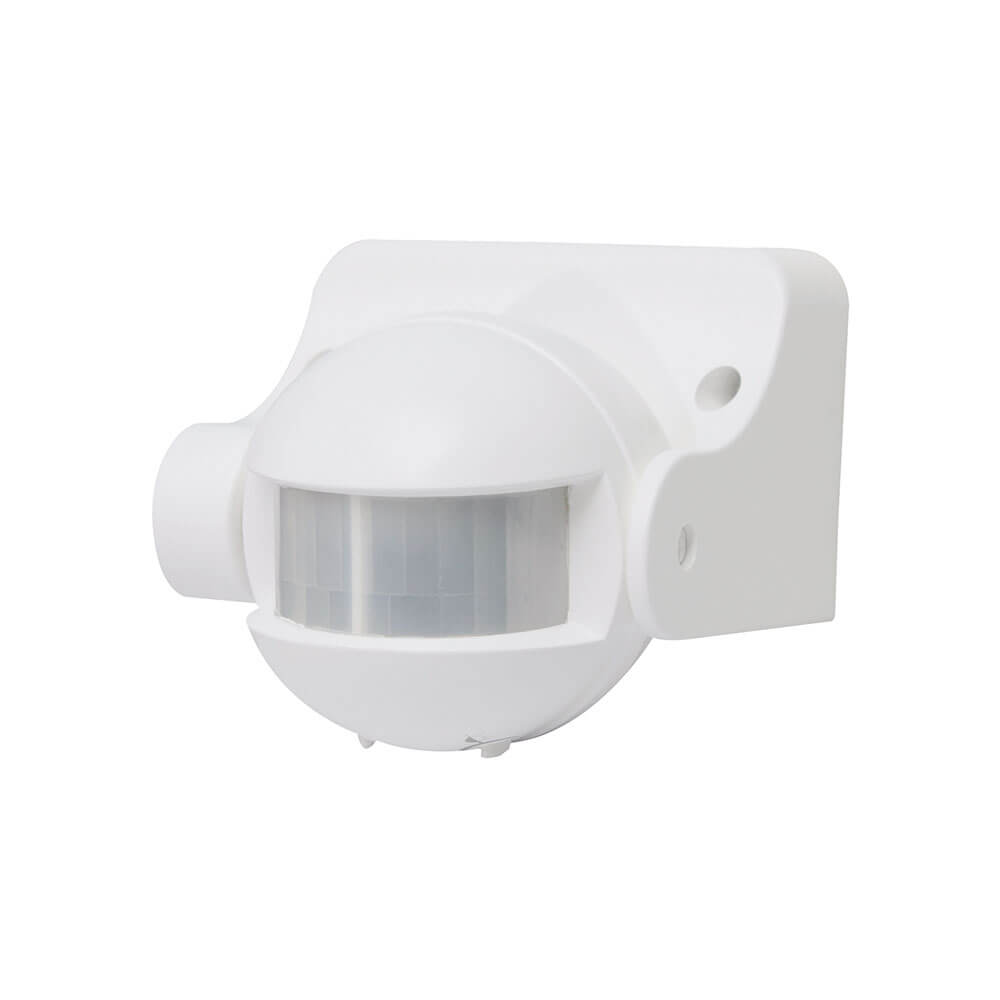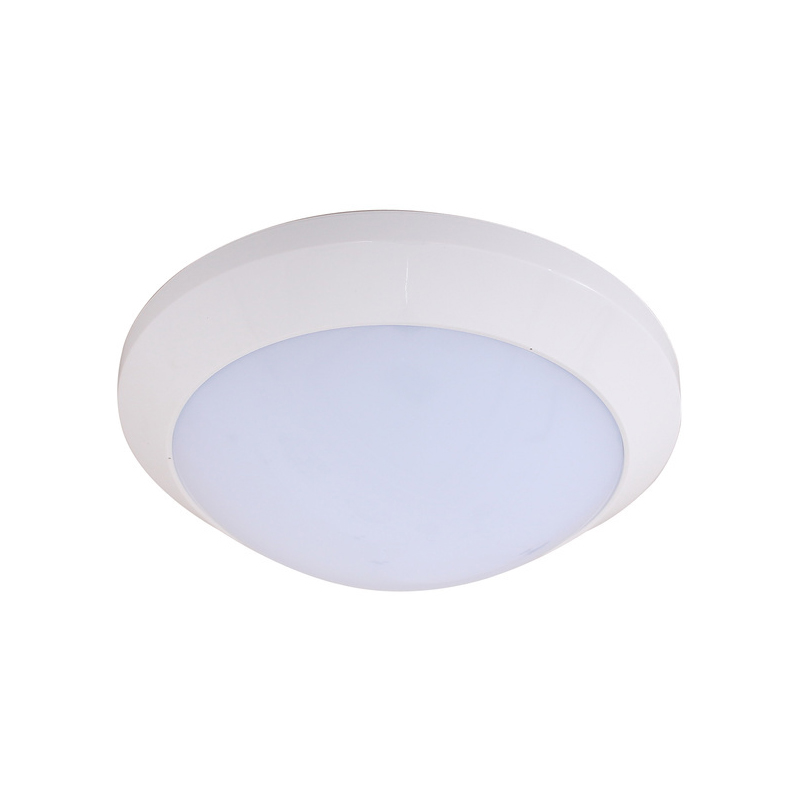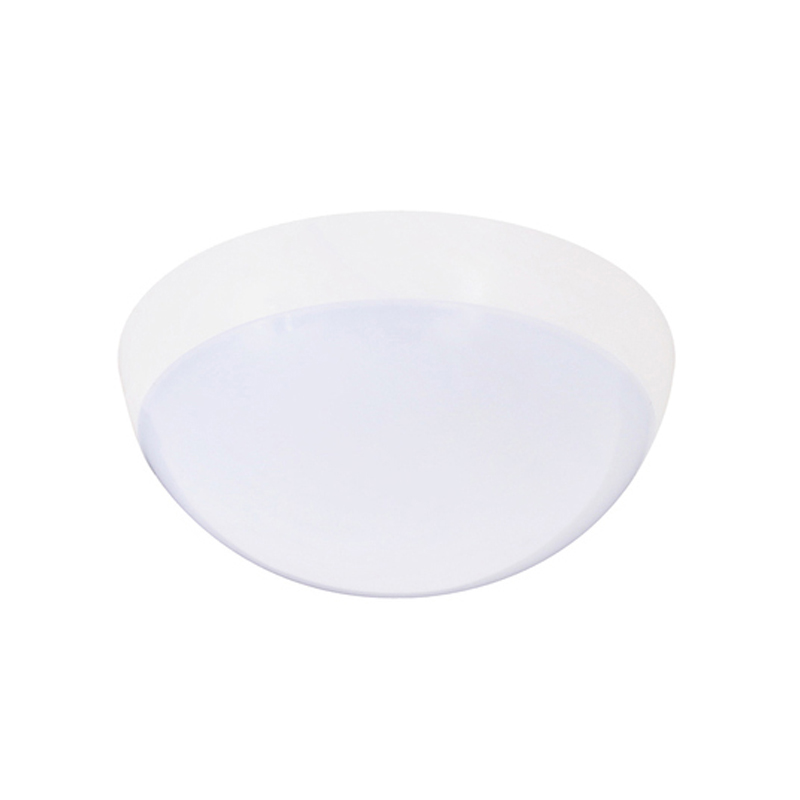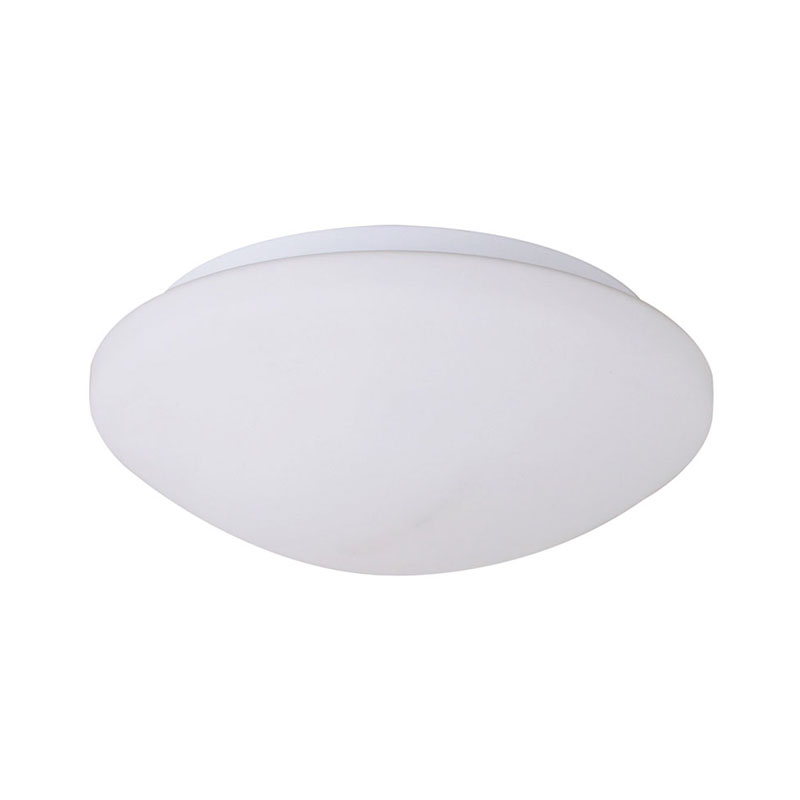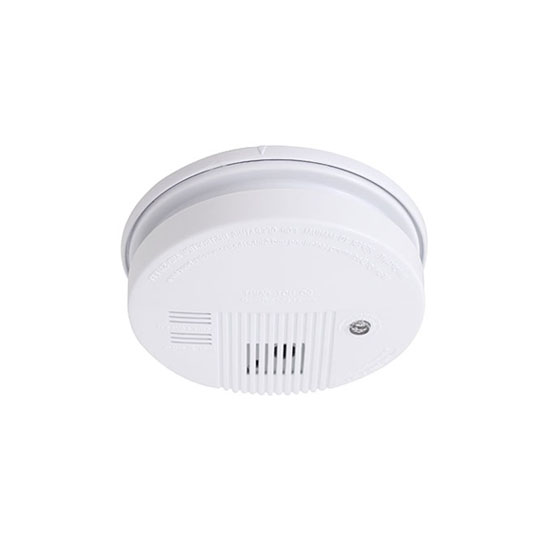
Microwave induction lamps technology
Microwave induction lamps, as the combination between Microwave sensors and lamps, can transfer the ordinary lamps into auto-induction sensors.
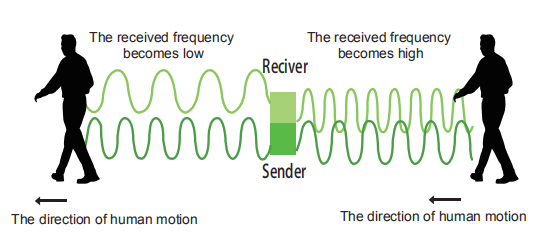
Microwave induction technology is a Doppler principle based on auto-detecting technique which integrates the emitting and receiving. That is to say, sensor sends the electromagnetic wave while receiving the echo from reflected objects. If there is no moving objects in the detection zoo, the receiving echo keeps stable without any activation. And the lamp is in inactive state. "where there are people, there are inducting" , this is the basis of activity sensor becoming intelligent lighting switch. LEXING's high frequency sensors can induct any motions with a certain volume in spite of the effect and restriction on the changes of ambient temperature and moving object's direction.
When sensor emitting electromagnetic wave signals and quickly receiving the echo, according to the type of echo, the electronic equipment detects the activity and activates the connected lamps when needed.
LEXING's microwave sensor works with three high frequency electromagnetic wave including 5.8GHz, 10.525GHz, 24.125GHz . It can penetrate glass, plastics and thinner wall. As a result, LEXING achieves the perfect combination between sensors and lamps, ensuring no changes on lamps' outlook.
What is more, the output power of high frequency sensors are just 0.3mW, which is 1/1000 of the environmental protection mobile phones all over the market. Therefore, LEXING's products are very environmental.
The above features make LEXING microwave sensor the first choice for control fitting among all the auto-induction lamps.
Infrared detecting lamps and lanterns technology
Infrared detection lamps and lanterns are those which effectively combine both infrared sensors and lamps, turning the ordinary lamps into automatic induction lamp.
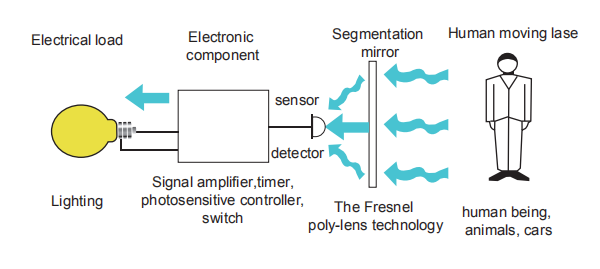
Infrared sensing technology refers to that any object, with their temperatures exceeding absolute zero degrees, can emit electromagnetic radiation. By using this technology, we invent passive infrared activity sensors, which are pyro electric infrared sensors.
It can detect the minor temperature change on the surface of an object and change its voltage output in order to make some response. The detector’s role coverage is distributed to lenses areas of each subsection, where heat producers are regarded as voltage output changes and apply to illumination or other charge control. Unfortunately, infrared sensors are vulnerable to external factors such as airstream, dust, temperature, humidity, etc.